Two lifters can run the same programme and get different results. Not because one is genetically gifted, but because one of them is actually present for the session and the other is rehearsing an argument from work between sets.
Attention is a trainable variable. It is also the cheapest one you have access to, because it costs nothing and you can start using it in your next session.
Cue, do not count
Counting reps is the minimum cognitive load a set requires. The moment the number is the only thing you are tracking, the set becomes a task to survive rather than a skill to perform. Instead, pick one technical cue for the session — “spread the floor”, “elbows under the bar”, “ribs down” — and repeat it silently before every set.
One cue, not four. Four cues is noise. One cue, repeated for eight weeks, changes a movement pattern permanently.
Rehearse the set before you take it
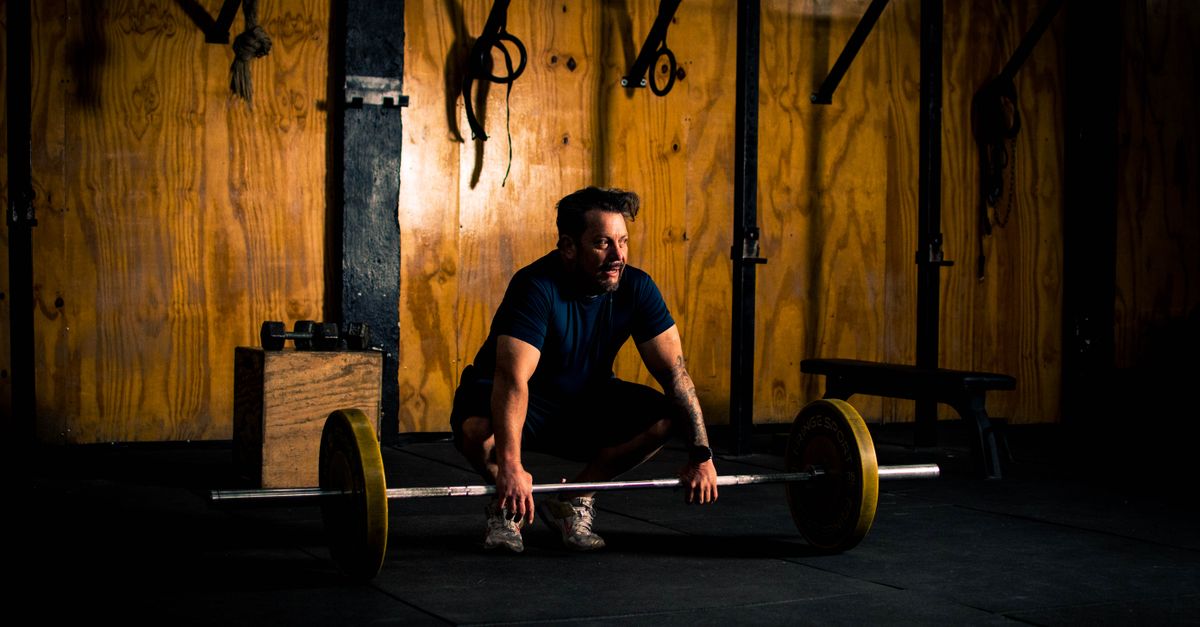
Before a heavy set, most good lifters run the lift in their head once: setup, breath, descent, drive, finish. It takes twelve seconds and it consistently produces better positions than walking up cold. This is not visualisation mysticism; it is motor preparation, and it works because the same neural pathways fire whether a movement is performed or imagined.
“A set you cannot remember is a set you did not really attend. Presence is the cheapest strength gain available.”David Lee — Wellness Writer
Phone down, rest timed
Most people rest longer than they think and pay less attention than they believe. Put the phone away and set a timer. Ninety seconds of actual rest with your breathing controlled beat four minutes of scrolling and a cold start.
If you need music, use it consistently — the same playlist for heavy sessions becomes a Pavlovian trigger after a few weeks, which is a free performance gain.
End with one honest sentence
Before you leave, write one line: what worked, what did not, one thing to change next session. It takes twenty seconds and turns a workout into a data point. Members who keep this log stall far less often, simply because they notice the problem in week two instead of month four.
Key Takeaways
- Choose one technical cue per session and repeat it before every set.
- Rehearse each heavy set mentally for ten to fifteen seconds before starting.
- Time rest periods and keep the phone out of the rest window.
- Finish every session with one written line about what to change next time.