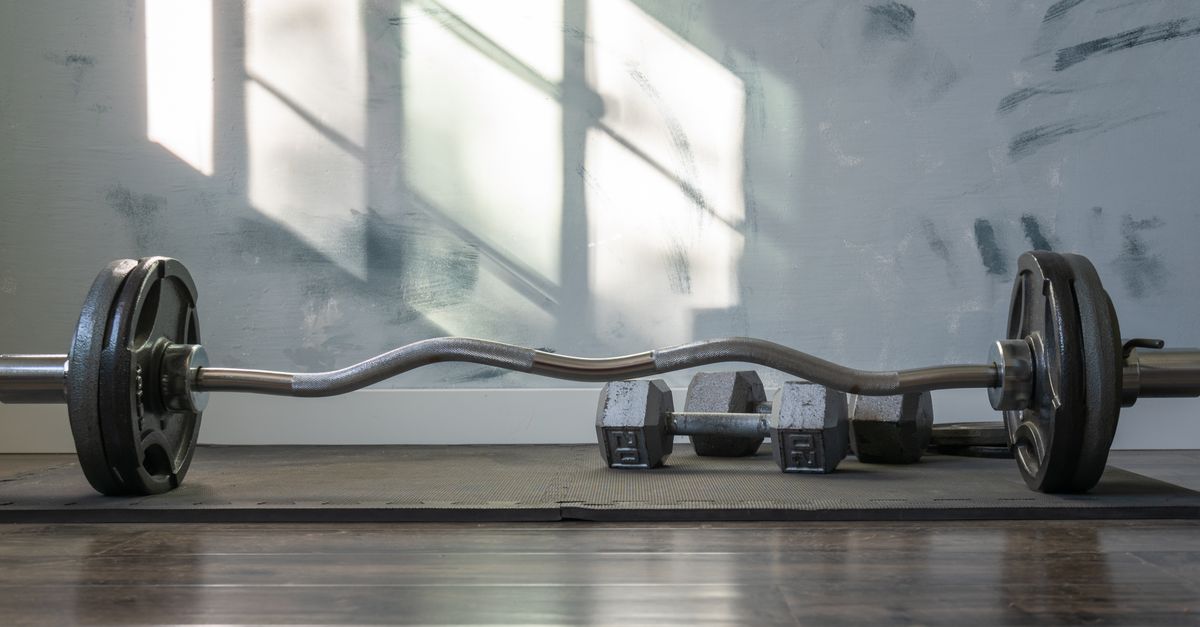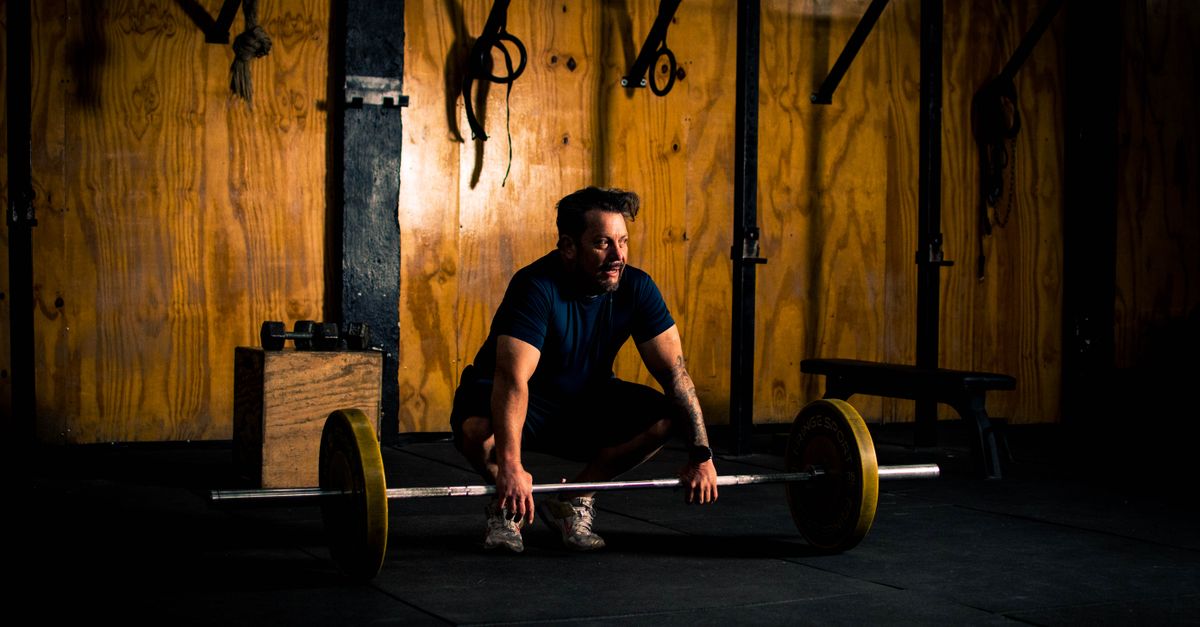
Training does not make you stronger. It makes you tired, slightly damaged and temporarily weaker. The strength appears afterwards, during the recovery window, when the body repairs what it was asked to do and adds a little margin in case it happens again.
That is why the members who improve fastest are rarely the ones training hardest. They are the ones who treat recovery as part of the programme rather than as something that happens when there is time left over.
Adaptation is a bill, not a bonus
Every hard session creates a debt: muscle damage, glycogen depletion, nervous system fatigue. That debt gets paid in sleep, food and easy days. Skip the payment twice in a row and the next session is borrowed against a body that has not finished the last one — which is how a good block turns into a month of mediocre training.
Sleep is the session you cannot skip
Seven to nine hours, consistent bedtime, dark room, no screens in the last half hour. If you take one thing from this article, take that one. Sleep restriction reduces strength expression, slows glycogen replenishment and raises perceived effort at the same absolute load. Nothing in a supplement cabinet compensates for it.
“You cannot out-train six hours of sleep. You can only delay the point where it shows up in your numbers.”Chris Walker — Recovery Writer
Protein, walking and doing nothing
Recovery nutrition is unglamorous: enough protein across the day, enough carbohydrate to refill what the session spent, and enough fluid that your urine stays pale. Then walk. Twenty to thirty minutes of easy movement on a rest day moves blood through sore tissue far better than sitting still, and it costs nothing.
Mobility work helps when it is targeted at the joints your training loads hardest — hips, thoracic spine, shoulders — and held long enough to matter. Ten minutes daily beats a heroic ninety-minute stretch on Sunday.
Scheduled deloads, not forced ones
Every Fitcore block includes a lighter week before the test week. Volume drops by a third and load stays high. Members who plan that week keep progressing for years; members who wait until something hurts tend to lose six weeks to a shoulder instead.
Key Takeaways
- Strength is built during recovery, not during the session itself.
- Protect seven to nine hours of consistent sleep before buying any supplement.
- Walk on rest days and hold mobility for the joints your training loads hardest.
- Schedule a deload week every block instead of waiting for an injury to force one.